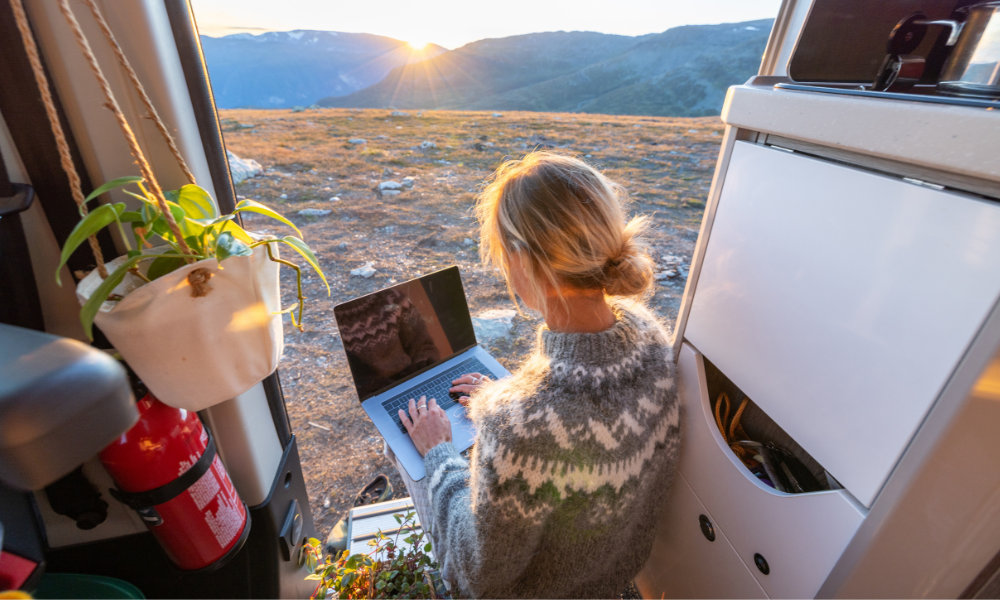
The traditional nine-to-five office job is no longer the only option for workers. Due to the proliferation of technology and the growing need for adaptability, remote work has gained significant popularity. Individuals can now work from anywhere in the world with a reliable internet connection. And this digital nomad lifestyle has become a reality for many people.
While working from anywhere sounds ideal, it’s not without its downsides. Whether you are considering becoming a digital nomad or simply exploring the possibilities of working remotely, we will give you valuable insights and help you make an informed decision. Let’s explore the pros and cons of remote work.
The Benefits of Working From Anywhere
There are numerous advantages to embracing the remote work revolution and being able to work from anywhere. From increased flexibility to improved work-life balance, the benefits are attractive. Here are some of the biggest ones:
Flexibility: Not being confined by the restrictions of a traditional office allows you to create a work-life balance that suits your needs. Whether you prefer to work early in the morning or late at night, you have the freedom to set your own schedule. Imagine being able to attend your child’s school play or take a midday yoga class without worrying about rushing back to the office. Remote work allows you to prioritize your personal life while still fulfilling your professional responsibilities.
No daily commute: Eliminating the commute to work saves you valuable time and reduces the stress associated with rush hour traffic. This means that you can start your day feeling refreshed and energized, ready to tackle your tasks with a clear mind. Instead of battling traffic or sitting in crowded public transportation, you can use this time for self-care, spending quality time with loved ones, or pursuing personal hobbies.
Location: The ability to work from anywhere allows you to enjoy a change in scenery. Whether you choose to work from a cozy coffee shop or a beachside resort, you have the luxury of shaping your work environment to suit your preferences. This can inspire creativity and productivity, leading to better work outcomes.
Wellness: By achieving a better work-life balance, you’ll notice a positive impact on your mental and physical well-being. Reduced stress levels, improved focus, and increased job satisfaction are just a few of the benefits you can expect. Ultimately, remote work provides the opportunity for individuals to live a more fulfilling and balanced life.
Less office politics: In a traditional office setting, there can be a lot of politics and power dynamics at play. Navigating office politics and trying to fit in with the corporate culture can be exhausting and distracting from the actual work you need to do. But when you work remotely, you have the freedom to focus solely on your tasks and goals without getting caught up in office politics. You can devote your energy to being productive and achieving results instead of worrying about impressing the right people or playing the game.
Environmental Impact: Working from anywhere can significantly reduce your carbon footprint. With no daily commute, you’re helping to decrease air pollution and traffic congestion. Additionally, remote work often results in decreased office energy consumption and waste production. By contributing to a more sustainable work culture, you’re playing your part in protecting the environment.
Cost Savings: Remote work can lead to substantial cost savings. You can reduce expenses associated with commuting, work attire, and dining out during lunch breaks. Moreover, you may have the option to live in areas with a lower cost of living, resulting in savings on housing and other living expenses. These financial benefits can significantly improve your overall quality of life.
Potential Downsides of Remote Work
While remote work offers numerous benefits, it is important to acknowledge that it can also have downsides. Here are a few potential drawbacks to consider when looking at a digital nomad lifestyle:
Isolation: Without daily in-person interactions with colleagues, remote workers may miss out on social connections and a sense of belonging within a team. Loneliness and feelings of isolation can negatively impact mental health and overall job satisfaction.
Lack of structure and boundaries: When working from home or any location of your choice, it can be challenging to separate work life from personal life. Without a physical office to leave behind at the end of the day, remote workers may struggle to establish boundaries and find themselves working longer hours or feeling constantly connected to their work.
Unsupervised: Remote work may require individuals to be self-disciplined and motivated. Without the presence of a supervisor or peers, it can be tempting to procrastinate or become easily distracted. Additionally, the absence of in-person supervision may make it harder for remote workers to receive feedback or guidance, potentially hindering their professional development.
Career Advancement Opportunities: In some cases, remote workers may have fewer opportunities for career advancement compared to their in-office counterparts. They might miss out on networking events, in-person training sessions, or impromptu interactions with higher-ups that can be crucial for career development. This potential limitation could affect their chances of promotions and raises.
Different Types of Remote Work
As the remote work revolution continues to evolve, companies and individuals are finding innovative ways to collaborate and communicate effectively. Advancements in technology have made it easier than ever to stay connected with colleagues, regardless of time zones or physical location. This means that distance is no longer a barrier to teamwork and collaboration.
If you’re hesitant about embracing remote work, consider the many benefits it offers. From increased flexibility to improved work-life balance, remote work has the potential to revolutionize the way we work and live. Weigh those against the potential drawbacks, and then you can make the right decision for you!
Taking Online Paid Surveys for Money as a Remote Side Hustle
If you still aren’t sure about the digital nomad life, we suggest trying some light remote work as a side hustle to see if remote work is for you.
Getting paid to take surveys can be an excellent side hustle for remote workers, offering flexibility and additional income. Remote work allows for better time management, making it convenient to fit surveys into your schedule. Among the numerous survey platforms available, Branded Surveys stands out as one of the best options for several reasons.
Branded Surveys offers a user-friendly interface, making it easy to navigate and participate in surveys. Their surveys cover a wide range of topics, from market research to product reviews, allowing you to choose those that align with your interests and expertise.
What sets Branded Surveys apart is its generous compensation structure. They reward participants not only with cash but also with gift cards and other incentives, providing diverse options for earning money. Moreover, the redemption process is straightforward, ensuring you can access your earnings quickly.
Remote workers can maximize downtime by taking surveys on Branded Surveys, making it a valuable source of supplementary income. Additionally, the platform offers regular opportunities to earn bonuses and increase your earnings. Overall, Branded Surveys is a dependable and rewarding option for remote workers seeking a side hustle, helping them achieve their financial goals while working from the comfort of their own homes.