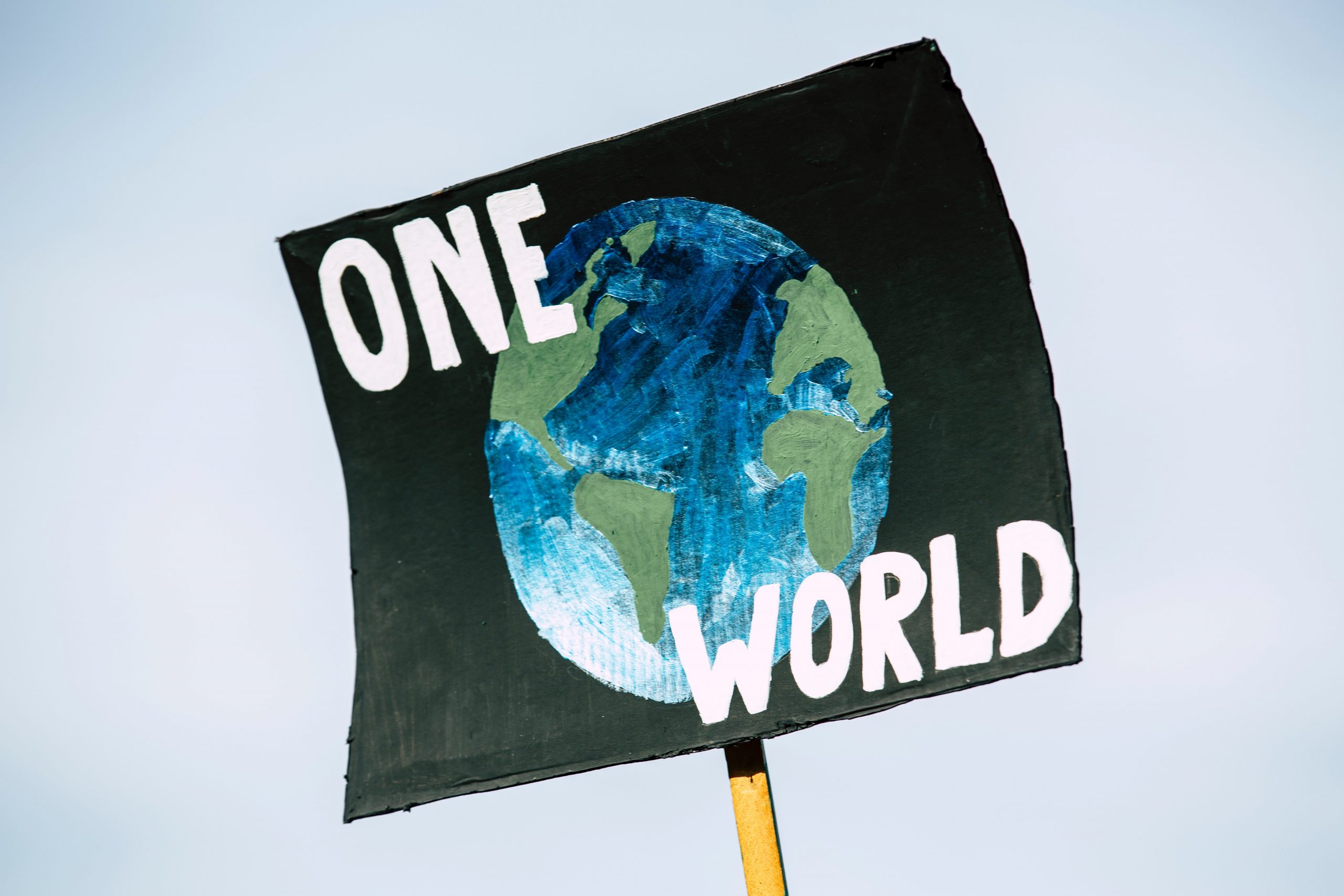
Today, climate change is a pressing concern, and the need for sustainable living has never been more critical. This means that you can play a vital role in preserving our planet for future generations. Going green in your daily life isn’t just an idealistic endeavor; it’s a practical necessity. And embracing sustainability doesn’t require a complete overhaul of your lifestyle. Small, everyday actions can add up to make a substantial difference. We’ve given you 12 practical steps to help you transition to a more sustainable way of life, benefiting both the environment and your well-being.
1. Reduce, Reuse, Recycle: The Golden Trio
The famous three Rs are the cornerstone of sustainable living. Reducing waste, reusing items, and recycling materials are fundamental practices that anyone can adopt. Start with the basics:
- Reduce: Consciously decrease your consumption. Consider buying products with minimal packaging, and opt for items that last longer to reduce waste.
- Reuse: Instead of disposing of items after a single use, find creative ways to repurpose them. Use old jars as storage containers and turn your worn-out clothes into cleaning rags.
- Recycle: Familiarize yourself with your local recycling program. Sort your recyclables properly and make a conscious effort to recycle items like paper, glass, plastic, and aluminum.
2. Energy Efficiency
Reducing your energy consumption not only helps the environment but can also save you money on your electric bill. Here’s how you can make your home more energy-efficient:
- Switch to LED Lights: LED bulbs use significantly less energy than traditional incandescent bulbs and last longer.
- Unplug Appliances: Even when turned off, many appliances still draw energy when plugged in. Unplug chargers and devices when they’re not in use.
- Install a Programmable Thermostat: This will allow you to regulate your home’s temperature more efficiently, reducing heating and cooling costs.
- Use Natural Light: Open curtains during the day to make the most of natural light, reducing the need for artificial lighting.
- Seal Leaks: Check for drafts and seal any gaps around windows and doors to keep your home better insulated.
3. Curb Water Waste
Conserving water is essential, as it’s a finite resource. Simple changes can significantly reduce your water consumption:
- Fix Leaks: Dripping faucets and running toilets waste a surprising amount of water. Repair them promptly.
- Install Low-Flow Fixtures: Low-flow showerheads and faucets can reduce water use without sacrificing water pressure.
- Collect Rainwater: Use rain barrels to collect rainwater for your garden, reducing the need for tap water.
- Water-Efficient Landscaping: Choose native plants that require less water, and consider xeriscaping, a landscaping technique that conserves water.
4. Sustainable Transportation
Your choice of transportation has a significant impact on your carbon footprint. Consider these options to reduce your environmental impact:
- Public Transit: Use public transportation or carpool whenever possible to reduce the number of vehicles on the road.
- Cycling and Walking: Opt for cycling or walking for short trips. It’s not only eco-friendly but also great for your health.
- Fuel-Efficient Vehicles: If you need a car, consider a fuel-efficient or electric vehicle. These options reduce your carbon emissions and fuel costs.
- Telecommute: If your job allows it, working from home can eliminate the need for a daily commute.
5. Support Sustainable Food Choices
The food industry has a significant impact on the environment. By making mindful choices, you can reduce your ecological footprint.
- Eat Locally: Support local farmers by purchasing locally sourced produce. This reduces the environmental impact of long-distance transportation.
- Reduce Meat Consumption: Eating less meat, especially red meat, can lower greenhouse gas emissions. Try incorporating more plant-based meals into your diet.
- Waste Less Food: Be mindful of food expiration dates and try to use leftovers creatively. Composting is a great way to deal with food scraps.
- Grow Your Own: If possible, cultivate a small garden to grow your fruits, vegetables, or herbs. Not only will this reduce your ecological footprint but will enable you to eat nutrient-dense foods too.
6. Sustainable Shopping
Where and what you buy can make a significant difference in the environment. Adopting these shopping practices can help:
- Buy Secondhand: Thrift stores and online secondhand marketplaces are treasure troves for sustainable shopping. By buying used items, you reduce the demand for new production.
- Choose Sustainable Brands: Look for brands that prioritize eco-friendly materials and ethical production practices.
- Bring Your Bag: Use reusable shopping bags to reduce plastic waste. Keep some in your car or by the door so you never forget them.
- Avoid Single-Use Plastics: Steer clear of single-use plastic items like straws, utensils, and water bottles. Invest in reusable alternatives.
7. Minimize Your Waste
In the era of convenience and single-use products, waste reduction is crucial. Here’s how to minimize your waste:
- Say No to Plastic: Avoid disposable plastic items, and opt for products made of glass, metal, or other eco-friendly materials.
- Composting: Start composting organic waste to reduce the amount of trash that ends up in landfills.
- Reusable Containers: Use reusable containers for food storage and packing lunches. Ditch the disposable plastic bags.
- Bulk Buying: Purchase items in bulk to reduce packaging waste. Bring your own containers to the store for items like grains, nuts, and spices.
8: Green Cleaning Practices
Replace harsh chemical cleaners with eco-friendly, cheap, homemade cleaning products. Here are just a couple of ways to do this:
- Bathroom Cleaner: Swap out your commercial bathroom cleaner with a mixture of vinegar and water to remove soap scum and mineral deposits from your shower and faucets.
- Oven Cleaner: Instead of using a chemical-based oven cleaner, create a paste using baking soda and water to effectively clean your oven’s interior, keeping it chemical-free and safe.
9. Mindful Water Use
Being conscious of your water usage can make a big difference in safeguarding this natural resource. Put these into practice right away:
- Mindful Showering: Install a low-flow showerhead to reduce water consumption while showering. Shorten your shower duration and turn off the water when lathering or shampooing.
- Efficient Dishwashing: Use a dishwasher with a full load, and if washing by hand, fill the sink with soapy water instead of leaving the tap running. This saves both water and energy.
- Water-Wise Gardening: Choose drought-resistant plants for your garden, and consider using a drip irrigation system to water plants efficiently. This helps conserve water and maintain a beautiful landscape.
10. Upcycling and DIY Projects
Go green with upcycling and DIY projects. It’s an excellent way to get creative while helping the environment.
- Repurpose Furniture: Instead of buying new furniture, upcycle old or thrift pieces by refinishing, painting, or repurposing them to give your home a fresh look while reducing waste.
- DIY Home Decor: Get creative with DIY home decor projects using recycled materials. Create unique pieces like picture frames, wall art, or vases from items you already have at home.
- Clothing Makeovers: Instead of buying new clothes, refresh your wardrobe by upcycling or altering your old garments. You can dye, embellish, or resize clothing to give it a new lease on life.
11. Volunteer for Environmental Organizations
Lend your time and expertise to local or national environmental organizations. This allows you to directly support sustainability efforts. Participate in or contribute to local environmental projects, such as tree-planting events, wildlife preservation efforts, or clean-up activities.
12. Educate Yourself and the Next Generation
Continue educating yourself on sustainability. Attend workshops, seminars, and conferences to stay informed about the latest eco-friendly practices and technologies. Instill eco-conscious values in children and young adults. Teach them about the importance of sustainability and lead by example.